
The Hidden Winter Pest Danger: Why Rodent Mites Invade Your Home After Rodent Extermination
When Mice and Rats Die, the Real Nightmare Begins: The Untold Truth About Post-Extermination Rodent Mites Why do you get mystery

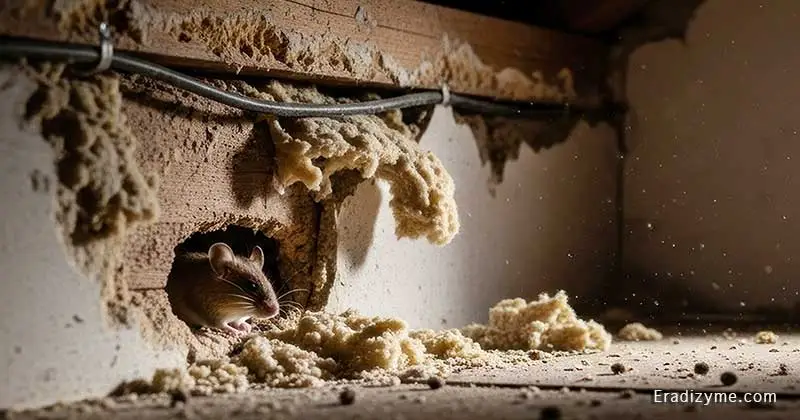
Discovering mice inside a home is an incredibly commonplace event. It doesn’t matter if you live in a rural countryside, a densely populated urban area, a low-income tenement apartment building, or a multi-million dollar home. These small rodents don’t have any pride; they don’t care about your property values or zip code, they are just trying to survive.
They are constantly on the lookout for indoor nesting sites, particularly when outdoor temperatures drop during the colder months of the year. Once they get inside, they look for quiet, hidden spots that offer warmth and easy access to food. They frequently set up camp in the vacant spaces under kitchen cabinets, the hidden areas behind major appliances, deep pantry alcoves, and utility closets.
By squeezing through tiny holes, rodents will nest inside insulated wall pockets, above suspended ceiling panels, beneath old floorboards, and throughout dark crawl spaces. They also often take over undisturbed storage areas like attics, basements, cluttered garages, the back corners of linen closets.

While many people understandably worry about hantavirus when discovering rodent droppings, a quieter, more deceptive hazard frequently flies under the radar. To ground the realities and actual likelihood of this pathogen without sparking unnecessary panic, the facts are straightforward. Sin Nombre hantavirus is a severe, North American rodent-borne pathogen responsible for Hantavirus Pulmonary Syndrome (HPS) a dangerous respiratory illness carrying a mortality rate of around 40%.
Importantly, the primary reservoir for this specific strain is the wild deer mouse (Peromyscus maniculatus), not the common house mice or urban rats typically found in residential neighborhoods. With that said, always use extreme caution when handling any type of mouse droppings.
While the threat of hantavirus ends where the physical droppings settle, an entirely separate, living hazard begins to mobilize. Now, let’s discuss the real threat you should be concerned about. A genuinely stealthy threat, sneaking up on you without any obvious warning signs, remains a hidden danger. While a virus is stationary and stays locked within physical droppings unless airborne dust is kicked up, rodent mites are active, living organisms.
They physically migrate, hunt, and pinpoint targets by tracking mammal body heat and carbon dioxide emissions. This article shines a light on this overlooked reality: wild mice serving as mobile transport systems for tiny rodent parasites, specifically the house mouse mite (Liponyssoides sanguineus) and the tropical rat mite (Ornithonyssus bacoti).
It is easy to dismiss this risk. You might be thinking, “We have coexisted with mice in this house for years and never had a single problem.” What most homeowners fail to realize, until it is too late, is that rodent mites are actually using the electrical wiring and utility conduit piping inside your walls as hidden highways. As we discuss in another article entitled HIDDEN HIGHWAY: TRACKING DOWN THE INVISIBLE BIRD AND RODENT MITE NESTING SITES THAT PROFESSIONAL EXTERMINATORS MISS, if a mouse infestation is not eliminated completely and properly, these tiny, pepper-flake-sized mites will immediately abandon their hosts, crawl along these conduits, and enter rooms by way of switch plates on your walls or drop down through recessed light fixtures directly into your living spaces in search of alternative blood meals, actively targeting you and your pets.
At Eradizyme, we hear from a surprising number of people who contact us because of what they describe as mites after looking up their symptoms online. They are often suffering from an unexplained rash, itchy red bumps, a feeling of stinging or pin pricks, or a maddening feeling like bugs are crawling on their skin.
However, a shocking percentage of these individuals completely fail to make the connection to an active or recent rodent problem in their home. In many cases, they have just hired a professional exterminator company to successfully rid their home of a rodent problem, only to suddenly find themselves dealing with an intense rodent mite infestation immediately afterward.
When questioning people who call us in a total panic, we always ask if they currently have, or recently had, a mouse or rodent issue. In many instances, they dismiss the possibility, confidently stating that they own a cat. While we all know that cats are excellent at keeping mice physically out of your primary living space , largely because mice have an innate, evolutionary panic response triggered by cat pheromones, this creates a dangerous false sense of security.
Because of your cat’s presence, a major mouse infestation inside a garage or an attic can go completely undetected due to the total absence of rodents in the main parts of the home. The mice stay hidden in these isolated zones to avoid the cat.
However, what people entirely overlook is that your pet will not keep the blood feeding mites that feed on those rodents away. Once the rodent host population shifts, declines, or gets wiped out by an exterminator, these microscopic bugs will migrate out of the attic or garage in search of food. Your beloved cat then becomes a highly attractive, potential chosen host for these parasite bites, just like you.
Eradicating a rodent issue successfully requires avoiding any tactics that accidentally force a massive wave of pests into your living quarters. Consequently, relying on chemical rodenticides is highly counterproductive and triggers a secondary crisis through a specific sequence:
To bypass this secondary nightmare, property owners must choose physical traps over poisons. Killing the pest instantly lets you remove it from the building before the carcass cools, ensuring the resident parasites are thrown out with their host before they ever get the chance to scatter.
To prevent this, homeowners should rely on traps rather than poisons. Dispatching the rodent instantly allows you to extract the pest from your home before the body cools down, ensuring that the resident mites are disposed of along with their host before they ever get the chance to migrate.
While choosing a catch-and-release trap feels like the ethical approach, it creates a massive logistical failure for parasite containment. In reality, trapping a live wild vector inside a confined space turns the device into a pressure cooker for parasites through four specific events:
Ultimately, catch-and-release tools fail their core objective. Keeping the host alive inside your home gives these tiny pests a prolonged window to scatter throughout your environment.
When balancing your options, instant-kill snap traps offer the most reliable way to mitigate a mite infestation because they stop the pest immediately. However, the clock starts ticking the second the trap snaps. You must act swiftly to remove the dead rodent from the property before the carcass loses its residual warmth.
Ultimately, it is vital to understand that many of these solutions come with their own risks. There are absolutely no perfect, flawless, or risk-free strategies when it comes to residential pest management. There are no absolutes here. Instead, a homeowner needs to apply logic and common sense when choosing what specific method might work best for them and their unique living situation.
Opting for rodenticides can result in unreachable, decaying pests and a sudden influx of displaced wall parasites causing mysterious insect bites on your family. Conversely, choosing mechanical trapping forces you to deal with the unpleasant reality of physical disposal. Meanwhile, utilizing live-capture methods introduces an entirely different set of logistical parasite challenges.
No single remedy fits every household perfectly. However, using logic to evaluate how each choice alters the behavior of both the rodents and their tiny blood seaking mites allows you to make the most sensible decision for your home. Managing pests is not about finding a magic bullet; it is about choosing the set of practical compromises you are best equipped to handle.
As discussed across these articles on this website Eradizyme.com, mastering a chronic indoor parasite infestation comes with a steep biological learning curve. Our goal at Eradizyme is to help speed you through that learning curve as quickly as possible, saving you from months of wasted trial and error. This is absolutely not an issue where you can afford to be lazy, complacent, or hope for an effortless surface fix. Leaving hidden internal reservoirs unaddressed could cost you dearly in financial loss, property damage, and severe emotional exhaustion.
Our advice and knowledge are based on the countless numbers of people we have assisted over the years. Through rigorous questioning and real-world case analysis, we have determined the most likely rodent mite hiding places in most homes, and many of these structural sanctuaries are areas you would never suspect.
If you are exhausted from dealing with unexplained skin crawling sensations, mystery bites, and cannot figure out how these persistent mites are still entering your living spaces, you do not have to map your home’s infrastructure alone. You can consult with our resident expert directly at (888) 774–4046 from 9:00 AM to 11:00 PM EST for a comprehensive, zero-obligation evaluation.
We will help you look beyond the superficial surfaces of your rooms, help you track down the specific architectural pathways unique to your home’s layout, and customize a non-toxic molecular protocol engineered to clear the internal places where mites may be hiding. To uncover more hidden biological data on bypassing broken inspection guidelines, continue reading through the educational articles on the Eradizyme Knowledge Hub and the various informational pages throughout this website.


When Mice and Rats Die, the Real Nightmare Begins: The Untold Truth About Post-Extermination Rodent Mites Why do you get mystery
How to gather evidence and prove that hidden bird mites or rodent mites are invading your home Where do bird and