Inside the Bird & Rodent Mite Toxic Cocktail: How Saliva Triggers Dermal Destruction
Tracking the Digestive Enzymes, Bacterial Vector Risks, and Systemic Inflammatory Conditions Left Behind by Active Parasitic Feeding Cycles If you are

Understanding the realities of chronic parasitic outbreaks requires peeling back the superficial layers of conventional pest control advice. The standard narrative surrounding bird mite and rodent mite outbreaks completely lacks critical ecological context. Traditional pest control data views the mite life cycle as an isolated, mechanical event occurring in a vacuum, one must go beyond a narrow focus, that completely misdiagnoses the true etiology of domestic mite infestations.
The survival and proliferation of bird mites and rodent mites are intimately connected to the health of their primary hosts and the surrounding environment. As noted by leading independent epidemiologists and naturalists, we are all part of an “ecological chain of life,” and the poisoning of the environment directly impacts all creatures within it.
When human chemical intervention disrupts this chain, the parasitic lifecycle undergoes a dangerous, survival-driven shift that drives these tiny blood sucking predators directly into peoples homes.

Under normal ecological conditions, both bird mites (such as the Northern Fowl Mite) and rodent mites (such as the Tropical Rat Mite) maintain a rapid reproductive timeline, multiplying every 7 to 10 days in the thousands.
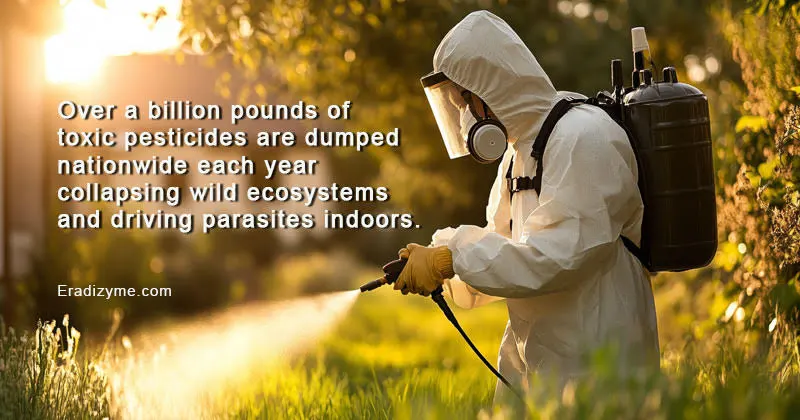
However, the widespread use of toxic pesticides, particularly neonicotinoids,
A weaker, stressed, or dying host population means a less stable food source for these parasites, altering their lifecycle dynamics. When these compromised hosts succumb to environmental toxicity, are targeted by rodenticides, or prematurely abandon their nests, thousands of hungry, highly mobile mites are suddenly left without their primary hosts. This ecological displacement is the exact mechanism that forces opportunistic parasites to invade human homes, seeking survival alternatives.
If you are currently dealing with a life-altering infestation, you are likely not interested in an environmental history lesson; you simply want immediate relief. However, to truly end this nightmare, it is absolutely imperative to understand the hidden biological forces that are driving these pest into people’s homes in the first place.
The broader mass chemical contamination of the world with pharmaceuticals, industrial chemicals, and synthetic chemicals is contributing to a massive life extinction event that includes birds, small mammals, and other fauna, and driving desperate mites indoors in search of an alternative blood meal. This on going chemical assault compromises the immune systems and reproductive success of wild hosts, creating conditions where opportunistic parasites like bird and rodent mites may either thrive on compromised hosts or face population crashes due to host die-offs.
Why do regulatory bodies stand by while these foundational natural cycles collapse? The regulatory environment has consistently prioritized industrial and pharmaceutical profits over ecological health, failing to protect these fragile biological balances.
This institutional corruption, where business interests are put before those of people, extends directly to the natural world, allowing the continued use of toxins that decimate host populations and disrupt the entire food web. A clear pattern exists within modern oversight agencies: much like how a “lack of evidence of efficacy” did not stop governments from stockpiling dangerous anti-viral drugs during the bird flu pandemic, demonstrating that pharmaceutical interests can exploit pandemics for their exclusive benefit, current pest management guidelines often favor corporate profits over genuine public and environmental safety.
The individual homeowner is left to deal with the fallout of these man-made disasters. When systemic failures drive mites indoors, institutional guidelines offer little comfort, often relying on the very same synthetic chemical classes that caused the environmental imbalance in the first place.
While entomological guides claim bird and rodent mites starve within weeks of removing a nest, hundreds of documented real-world cases tell a different story: infestations persisting for months or even years. This multi-month nightmare happens because removing a visible exterior nest or addressing a localized rodent problem rarely uncovers the hidden architectural pathways.
Textbook accounts underestimate how long a bird or rodent mite can survive without food, in a climate-controlled indoor environment. If a home has pockets of high humidity, mites often retreat deep into wall voids, subflooring, or behind electrical faceplates where they enter a low-metabolic survival state, trickling out over months and years to feed on humans.
Removing a visible nest from a gutter or window awning doesn’t always reveal the full extent of the infestation, as hidden nesting sites for pests like pigeons, starlings, or rodents may exist deep within attic insulation or crawlspaces. Many of these parasitic mites are opportunistic, readily breeding on alternative hosts if an avian host is removed while using humans as secondary food sources, and they tend to seek out the individuals with weaker immunity. For more on this phenomenon, read The Mite Magnet Mystery: Why They Bite You and Not Your Partner.
Because bird and rodent mites reproduce every few days, localized populations facing starvation undergo rapid selective pressure. In a sealed indoor environment where primary hosts are permanently gone, intense evolutionary pressure takes over. These isolated populations can undergo accelerated selective adaptation, potentially adapting to utilize human or domestic pet blood far better than old textbooks suggest to finish their molting and reproductive cycles.
To truly manage bird and rodent mite infestations, one must look beyond simple extermination and understand the biological vulnerabilities of the pest. Traditional synthetic pesticides often fail because insects and mites adapt at an alarming rate, developing rapid immunity through repeated exposure.
True eradication requires disrupting the physical structure of the pest across all life stages without introducing further toxic synthetic chemicals into your living space.
Instead of neurotoxic sprays, natural solutions like the Eradizyme Brand Enzyme Formula target the parasite on a molecular level:
Managing a chronic indoor infestation requires recognizing that these events are not isolated biological processes, but man-made disasters driven by environmental breakdown, pesticide overuse, and regulatory failures. Defending your home requires moving past conventional, failing chemical paradigms. Choosing a non-toxic, natural approach ensures your treatment strategy does not add to the perpetuation of the problem, allowing you to safely clear the infestation without compromising your own immune system in the process.
If you cannot determine whether you are dealing with bird mites or rodent mites, or find yourself trapped in a multi-month, or multi-year cycle that refuses to break, our team is available to help. You can reach our Eradizyme resident specialist directly at (888) 774–4046, between 9:00 AM and 11:00 PM EST, for a complimentary, no-obligation-to-buy consultation.
We will guide you through isolating the root cause of your pest problem, and help you to establish a safe, zero-toxin eradication protocol, tailored entirely for your home. To uncover more hidden biological insights into these complex environmental issues, dive deeper into these topics, and others, by exploring the Eradizyme Knowledge Hub and the supporting resources throughout this site.


Tracking the Digestive Enzymes, Bacterial Vector Risks, and Systemic Inflammatory Conditions Left Behind by Active Parasitic Feeding Cycles If you are
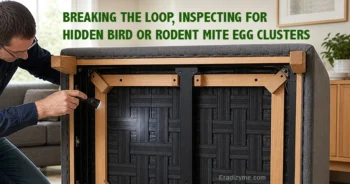
Tracking the Sticky Composition, Numbers, and Furniture Hiding Spots of Hidden Egg Clusters. Let us clear up the absolute confusion